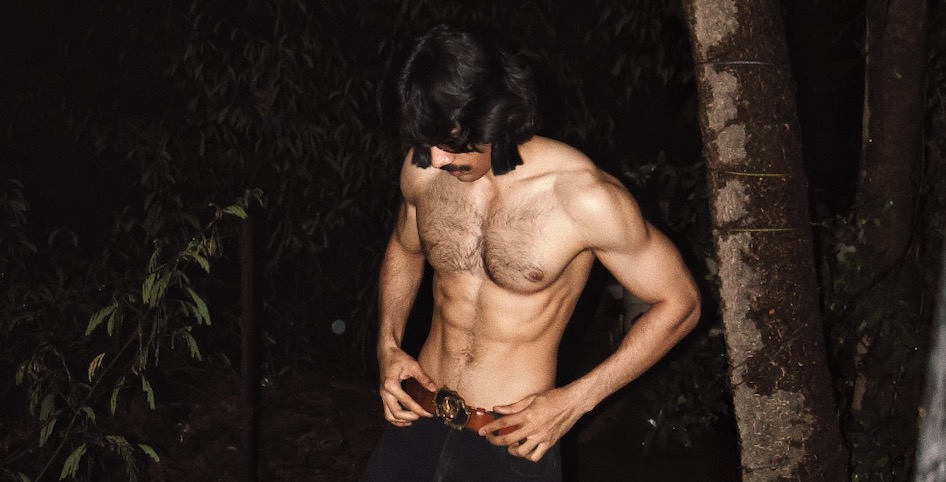
Somewhere between the metrosexual era and the age of Instagram filters, men quietly razored off one of the most primal symbols of masculinity they had. Chest hair — raw, untamed, unapologetic — got labelled "unkempt." And a generation of men believed it.
I didn't.
I have chest hair. I like it. And I think the conversation about why men are shaving it off — and why they should stop — is long overdue.
The Era We Lost
Go back fifty years and the chest hair debate didn't exist. It wasn't a debate because it wasn't a question. Men had chest hair. It was just part of being a man — like a strong handshake or a well-worn leather jacket. It didn't need defending. It simply was.
Then the 90s happened. Then manscaping. Then waxing bars on every corner and razors marketed specifically at men's bodies. The grooming industry built an entire revenue stream on convincing men that their natural state was a problem to be solved.
It worked. A 2017 survey found that over 60% of men under 35 regularly remove body hair. Clean chests became the default. And what was once the symbol of a leading man became something to be hidden.
That's not evolution. That's marketing.
What Science Actually Says
Here's where it gets interesting. Chest hair isn't arbitrary — it's biological communication.
Testosterone drives it. Chest hair growth is directly linked to androgen levels — the same hormones that drive muscle development, a deeper voice, and dominant physical presence. It is, quite literally, a secondary sex characteristic. When you shave it, you're erasing a visible marker of hormonal health.
Pheromones live in it. The hair follicles on the chest sit near apocrine glands — the glands responsible for producing pheromone-laced sweat. These chemical signals play a documented role in sexual attraction. Chest hair doesn't just look masculine. It functions as a scent dispersal system, amplifying the signals that draw people toward you on a biological level.
Evolution kept it for a reason. Unlike the hair on our heads, chest hair didn't disappear through human evolution — which tells evolutionary biologists it served a purpose worth keeping. Thermoregulation, protection, sensory function, and mate signalling are all on the table. The body doesn't maintain what it doesn't need.
Women notice — and many prefer it. A study published in the journal Archives of Sexual Behavior found that women rated men with some chest hair as more attractive than those with none, associating it with maturity, confidence, and dominance. Another study found chest hair was among the top physical traits linked to perceived masculinity. The smooth chest ideal is largely a male-to-male performance, not something women actually demanded.
The Icons Who Never Apologised for It
The men who defined masculine sex appeal across generations had one thing in common. They didn't hide it. They wore it.
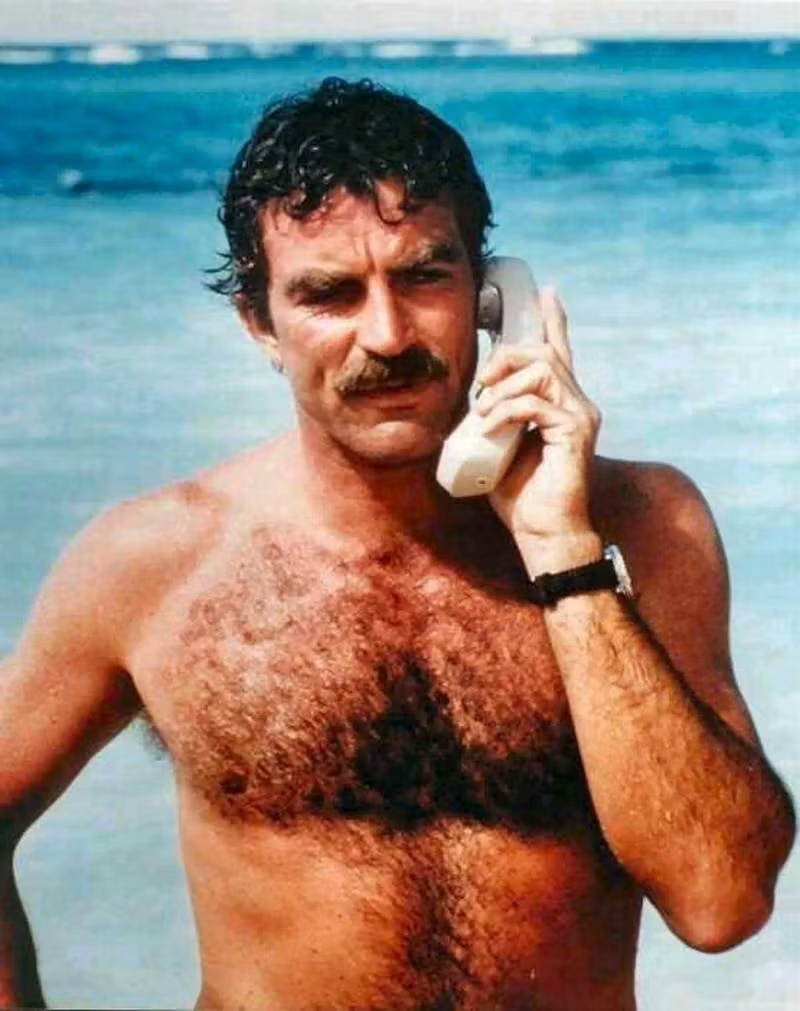
Tom Selleck — Magnum P.I. made chest hair a character trait
Tom Selleck. Magnum P.I. is practically synonymous with chest hair at this point. The open Hawaiian shirt wasn't a fashion choice — it was a statement. Selleck's chest hair became so culturally iconic that it had its own fan following. No one looked at Magnum and thought: he should shave that. Everyone thought: that is exactly what a man looks like.
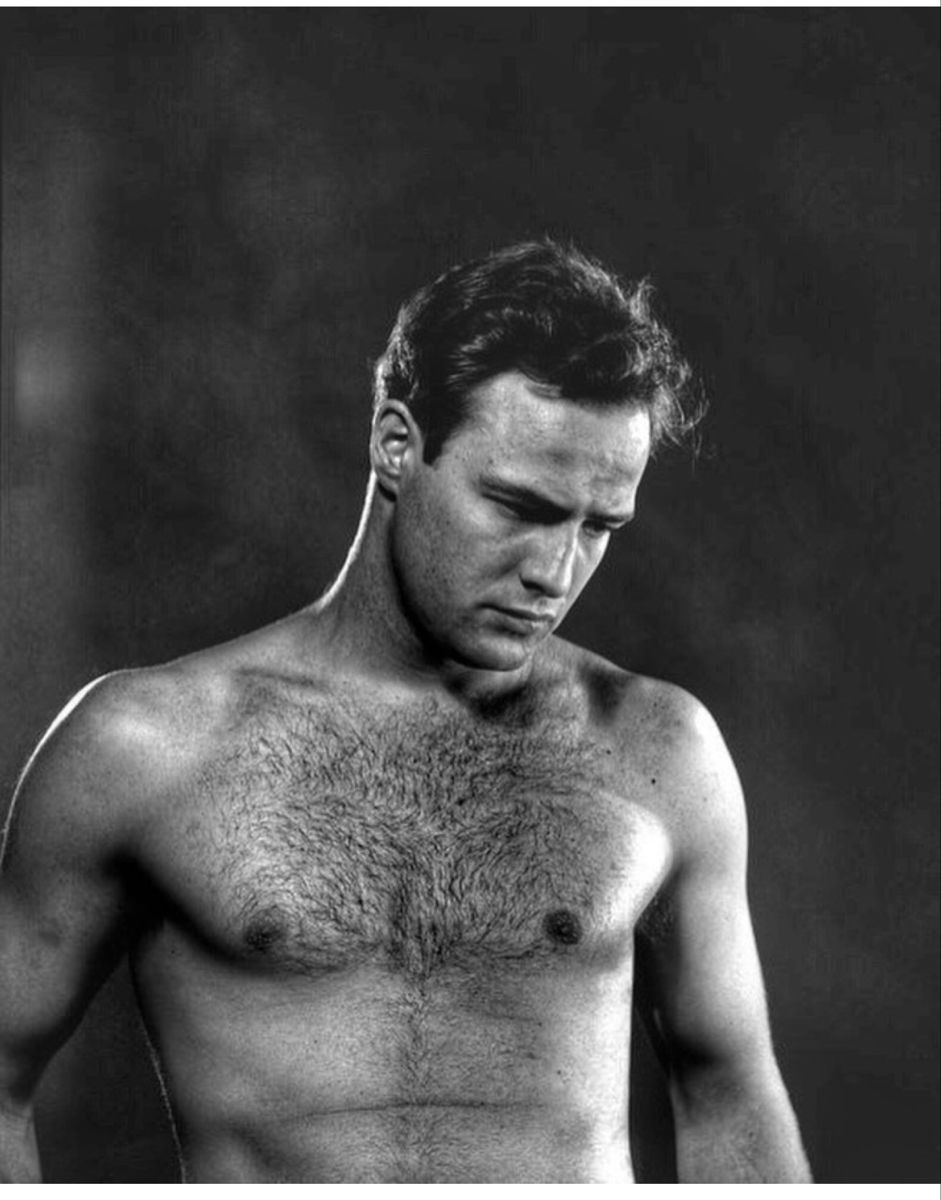
Marlon Brando — raw physical presence, no apology needed
Marlon Brando. A Streetcar Named Desire. The Wild One. A man whose physical presence rewrote what it meant to be attractive on screen. Brando's chest hair was part of a total animalistic energy — unfiltered, untamed, dangerously alive. He didn't perform masculinity. He embodied it.
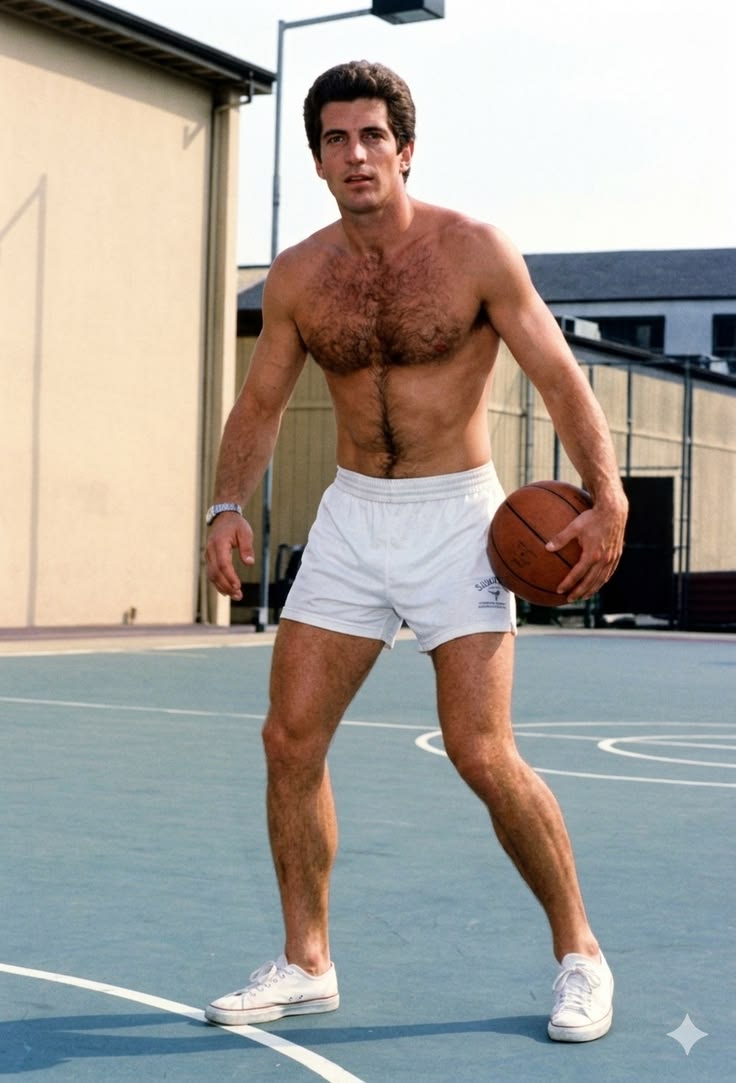
JFK Jr. — America's golden boy, chest hair and all
JFK Jr. Called the sexiest man alive by People magazine in 1988. A man so effortlessly attractive that his chest hair became part of the mythology. Those beach photographs — the confidence, the ease, the complete absence of self-consciousness — that's what natural looks like on a man who has nothing to prove.
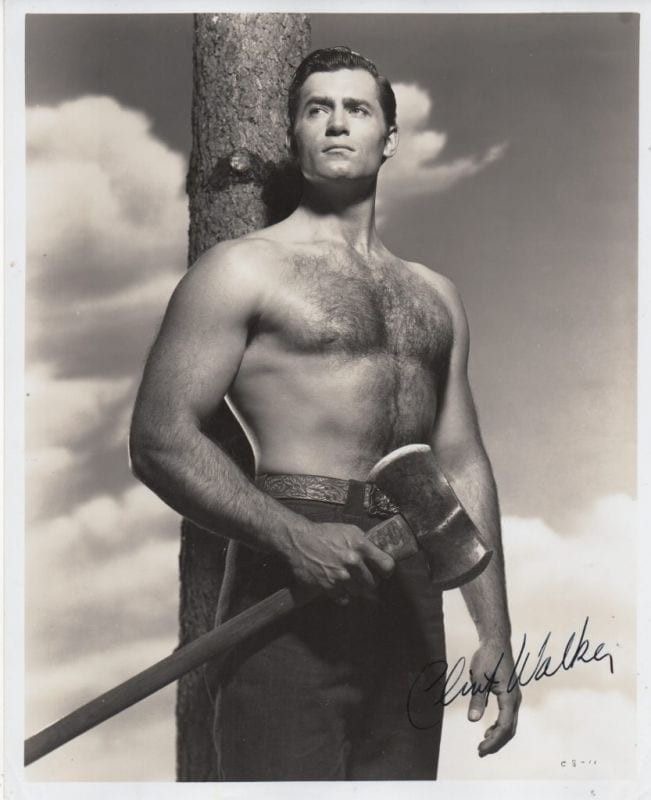
Clint Walker — 6ft 6 of undiluted Western masculinity
Clint Walker. Six foot six. Built like a mountain range. Starred in Cheyenne through the late 50s and 60s and made the shirtless Western hero an archetype. Walker's chest hair wasn't incidental — it was structural. It completed the image of a man carved from something harder than most of us.
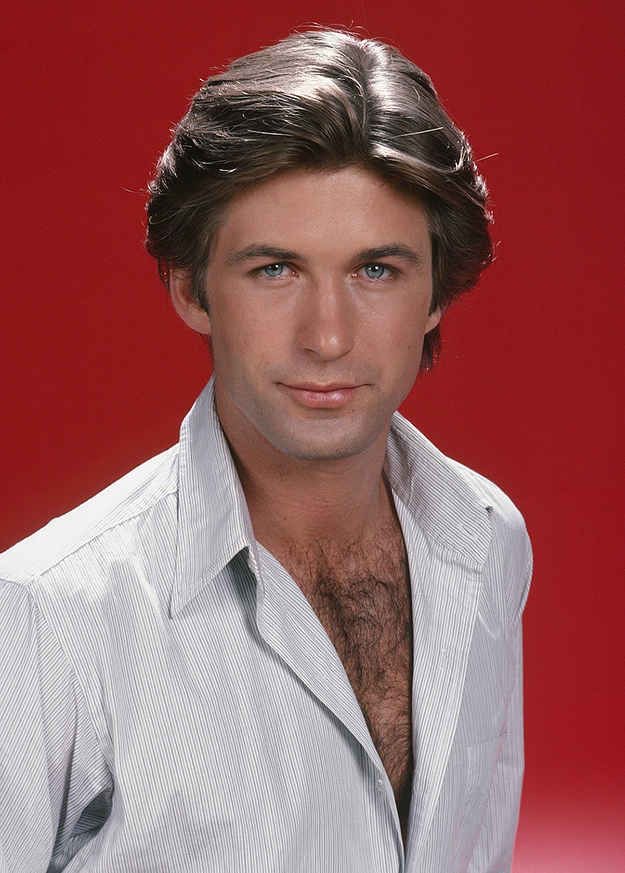
Alec Baldwin — chest hair and confidence, the New York way
Alec Baldwin. At his peak, Baldwin carried a dark, brooding magnetism that owed a lot to his physical confidence. The chest hair was part of a fully lived-in body — a man who didn't fuss. That effortlessness is its own form of power.
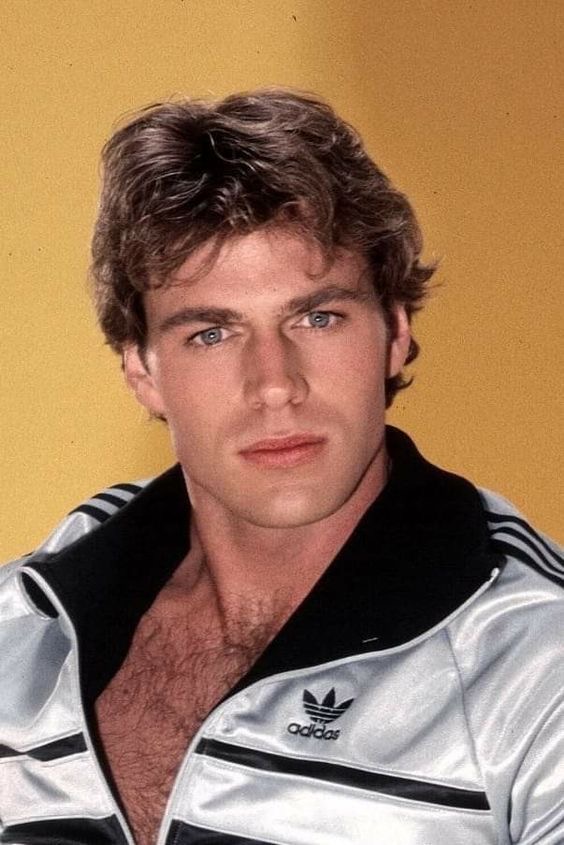
David Hasselhoff — Baywatch made chest hair aspirational for a generation
David Hasselhoff. Baywatch sold the fantasy of the ultimate beach body to the entire world — and that body had chest hair. The Hoff running down the sand was the most-watched television image of the 90s. Before the shaving trend fully took hold, this was the template. Not smooth. Present. Proud. Uncut.
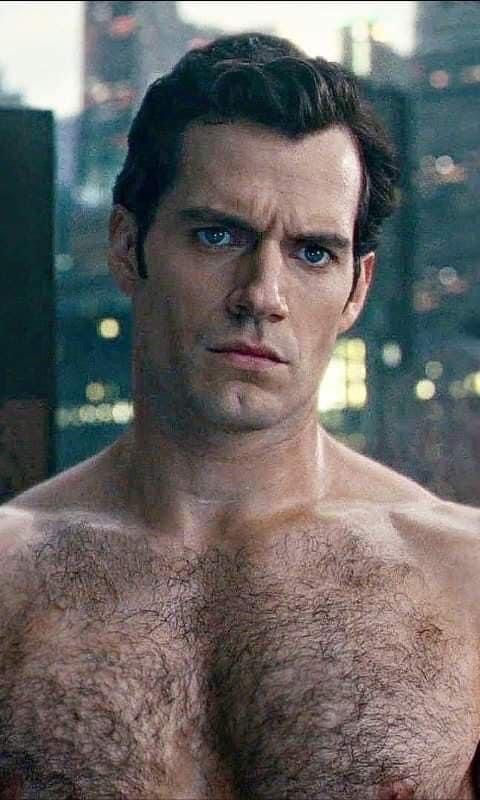
Henry Cavill as Geralt — The Witcher brought chest hair back into fantasy
Henry Cavill. The most modern example on this list — and proof that the tide is turning. As Geralt of Rivia in The Witcher, Cavill's chest hair wasn't hidden despite being Hollywood's most discussed physique of recent years. It added texture, realness, dimension. It made a supernatural monster hunter look like an actual man rather than a CGI render.
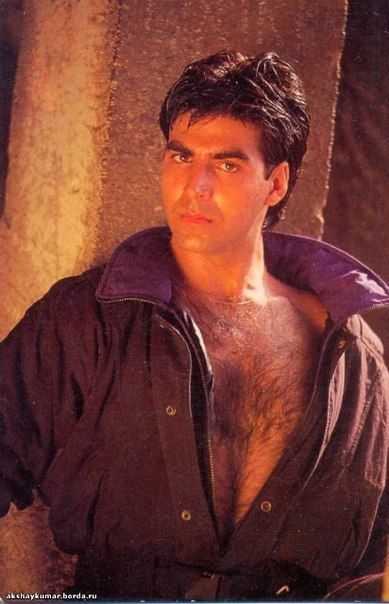
Akshay Kumar — Bollywood's most athletic star never shaved what made him
Akshay Kumar. Bollywood spent decades pushing waxed, oiled, hairless torsos as the Indian male ideal. Akshay Kumar largely ignored that memo. His chest hair was as much a part of his action hero identity as his actual athleticism. In a sea of polished, production-designed bodies, he looked real. That's why he connected.
And Me
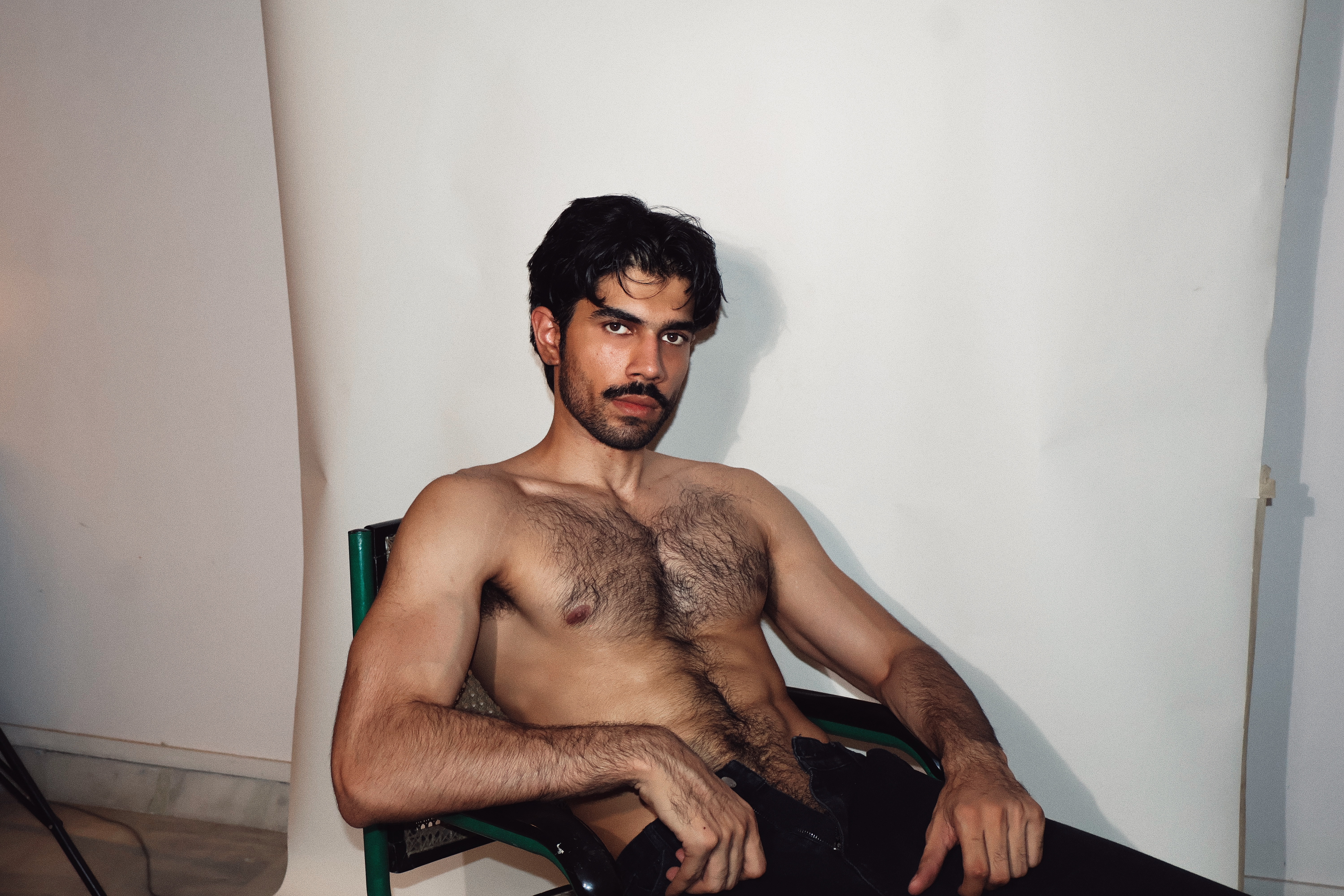
Owning it — no apology, no razor
I grew up in an industry that tells you what your body should look like. Clean lines. Zero texture. The closer to a mannequin, the better. I never bought it. My chest hair isn't something I manage around or work to conceal in shoots. It's part of what I look like — and what I look like is the point.
Raw Is an Aesthetic
There's a reason the word "raw" is used as a compliment in fashion, music, photography, and food. Raw means unprocessed. Unfiltered. Closer to the source of the thing. When everything around you is polished to a high sheen, raw becomes the most interesting thing in the room.
Chest hair is raw. It's the body doing what the body does, unedited. And in an era of extreme grooming, filters, and body modification, a man who stands in his natural state isn't being lazy — he's making a statement.
That statement is: I don't need to be fixed.
Bring It Back
I'm not saying everyone needs chest hair. Some men don't have it, and that's equally fine. This isn't about prescribing a look — it's about pushing back against the idea that chest hair is something to be corrected.
If you have it, wear it. Stop shaving it because a grooming ad told you to. Stop waxing it because you think smooth is the expectation. The men who defined masculine beauty across cinema, sport, and culture didn't remove it. They built their identity around it.
Chest hair isn't unkempt. It isn't unfashionable. It isn't a flaw. It is a masculine ornament — biological, hormonal, ancient, and earned.
The razor is optional. The confidence isn't.