There are musicians. There are icons. And then there is Elvis Presley — a man who existed in a category so far beyond both that comparing him to anyone else feels like a category error. I have been drawn to him for as long as I can remember. Not just the voice. The whole thing.
The sideburns. The stance. The curl. The collar turned up just enough. The way he walked into a room like the room had been waiting for him.
Elvis was never just a singer. He was a visual force — arguably the first man in modern culture to understand that how you look is as powerful as what you sound like.
Bigger Than Music
People talk about Elvis's music the way they talk about gravity — like it's just a fact of the universe, something that was always going to exist. And maybe it was. But what they don't talk about enough is the way the man carried himself.
Before personal branding was a phrase, Elvis had a brand. Before "aesthetic" was an Instagram caption, Elvis had one. He wore his identity like a second skin — the drape jackets in the 50s, the sharp-cut suits in Vegas, the jewelled jumpsuits that should have looked absurd but somehow looked inevitable on him. Every era had a different look, and every look said the same thing: I know exactly who I am.
That confidence is rare. Most people dress to fit in, or to be noticed, or because it's cold outside. Elvis dressed like he was communicating something — like the clothes were part of the message, not just the packaging.
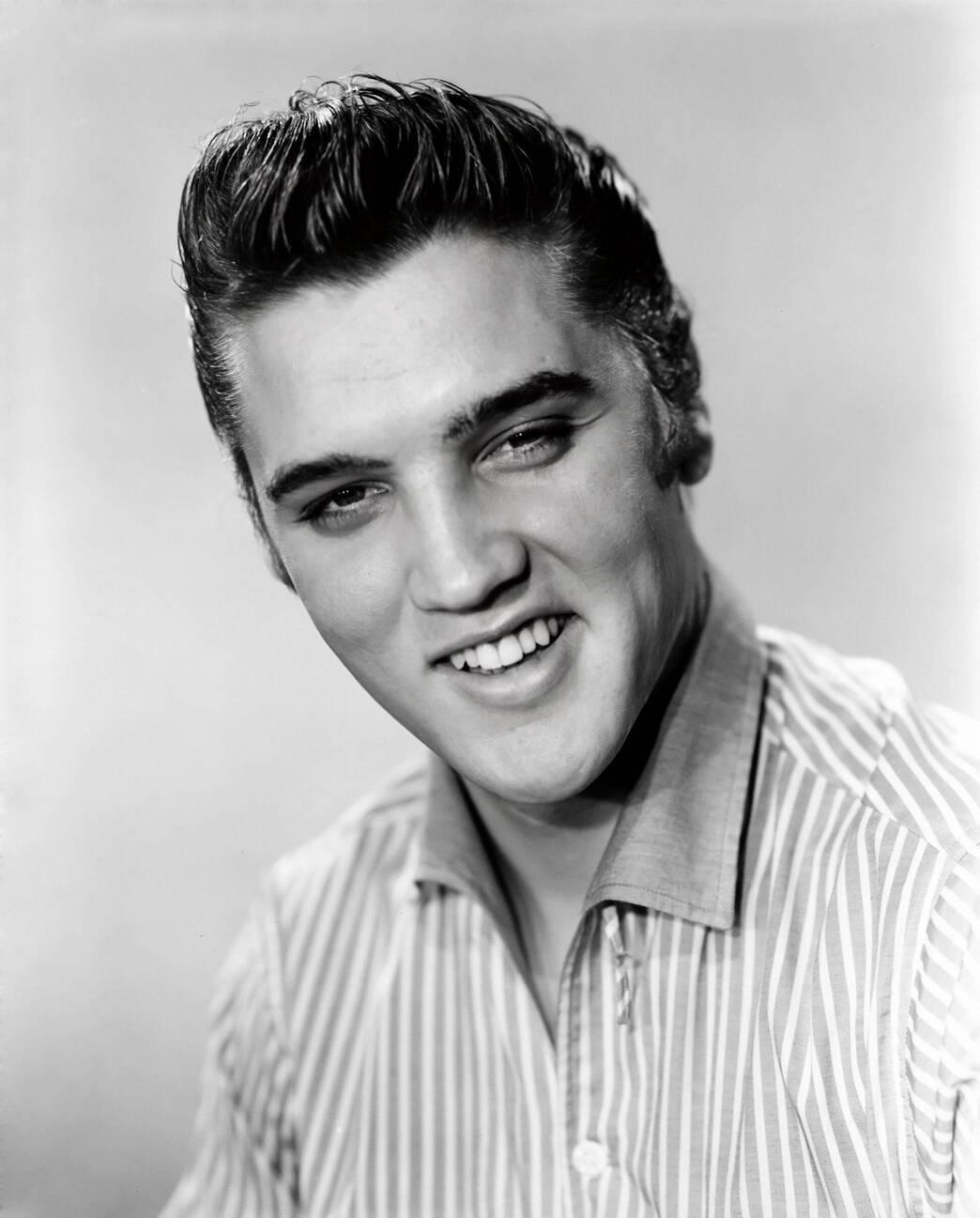
The King in full — style as presence
The sideburns were part of that. They weren't an accident or a regional trend he picked up in Memphis. They were a decision. They were Elvis saying: this is the shape of my face, and I am going to make it a signature. He turned a grooming choice into an icon. That's not fashion — that's identity.
The Elvis Effect
What Elvis understood — and what most people still don't — is that presence is constructed. It is built from a hundred small decisions: the length of a sideburn, the height of a collar, the specific angle of a jacket. None of these things matter alone. Together, they create something that reads as effortless, which is exactly what effortless always is — tremendous effort made invisible.
He moved like someone who had never once doubted himself. The hips, obviously, became legendary — but watch the rest of him. The stillness of his upper body while his lower half did whatever it wanted. The ease. The complete lack of apology. There's a reason women screamed and men went quiet. He was showing everyone in the room what it looked like to be fully, completely, unreservedly yourself.
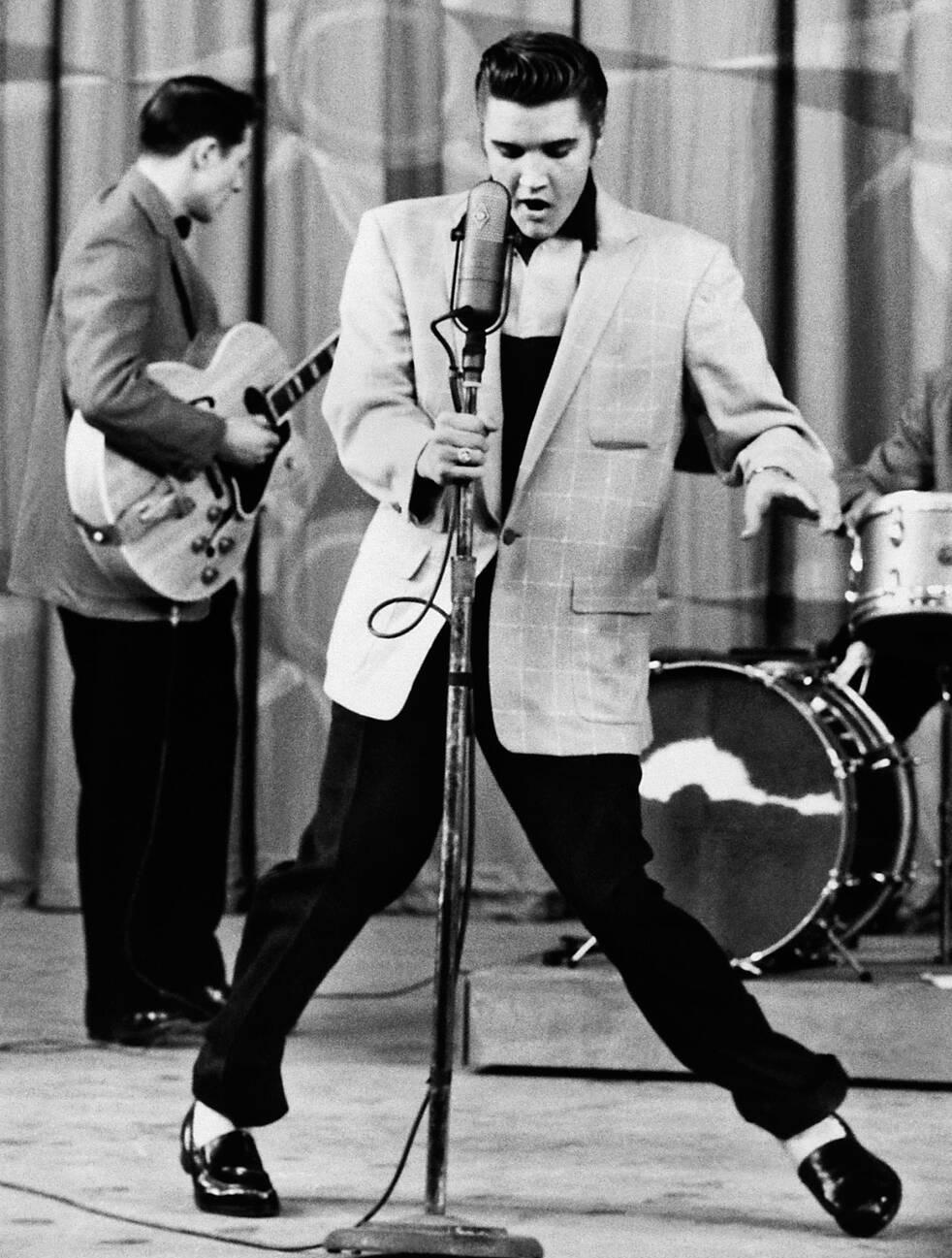
Elvis — the sideburns, the collar, the whole thing
Twice in the Theatre
I have seen the Baz Luhrmann Elvis film twice in the cinema. That is something I almost never do. I am not a rewatch-in-theatres person. But that film pulled me back — the excess of it, the colour, the way Austin Butler dissolves into the role until you forget there's an actor involved. It reminded me why Elvis has always had a hold on me.
And then recently, I watched EPIC in the theatres. Goosebumps from start to finish. Sitting in the dark with that music and that image — the scale of the man, the sheer improbability of what he became and how he became it — it hit differently than it does on a screen at home. Cinema does something to legend. It makes it physical. You feel the size of it in your chest.
Walking out both times, I had the same thought: this man was something the world rarely produces. And the world has not quite figured out what to do with that absence.
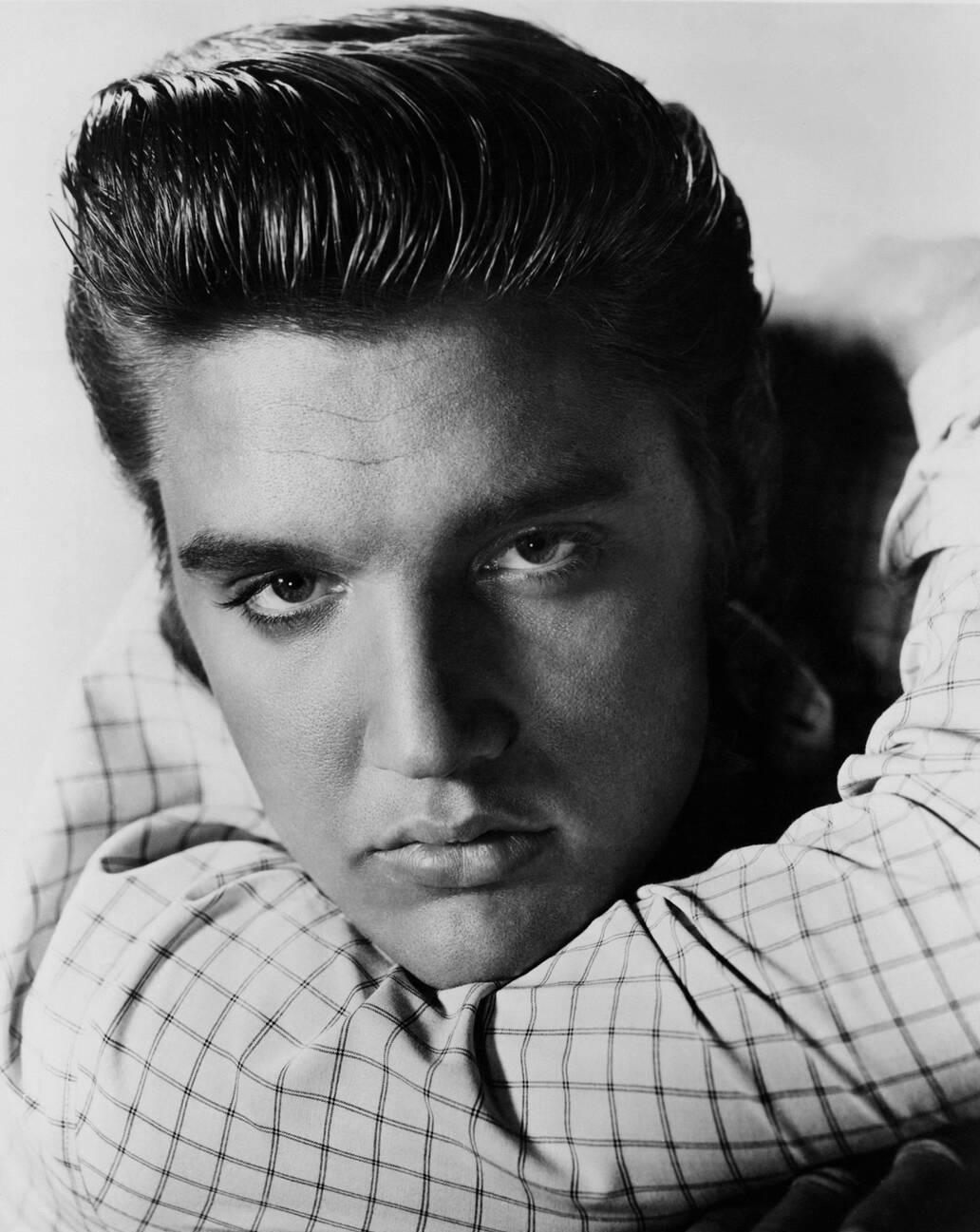
Elvis Presley — a presence the screen could barely contain
The ₹200 Decision
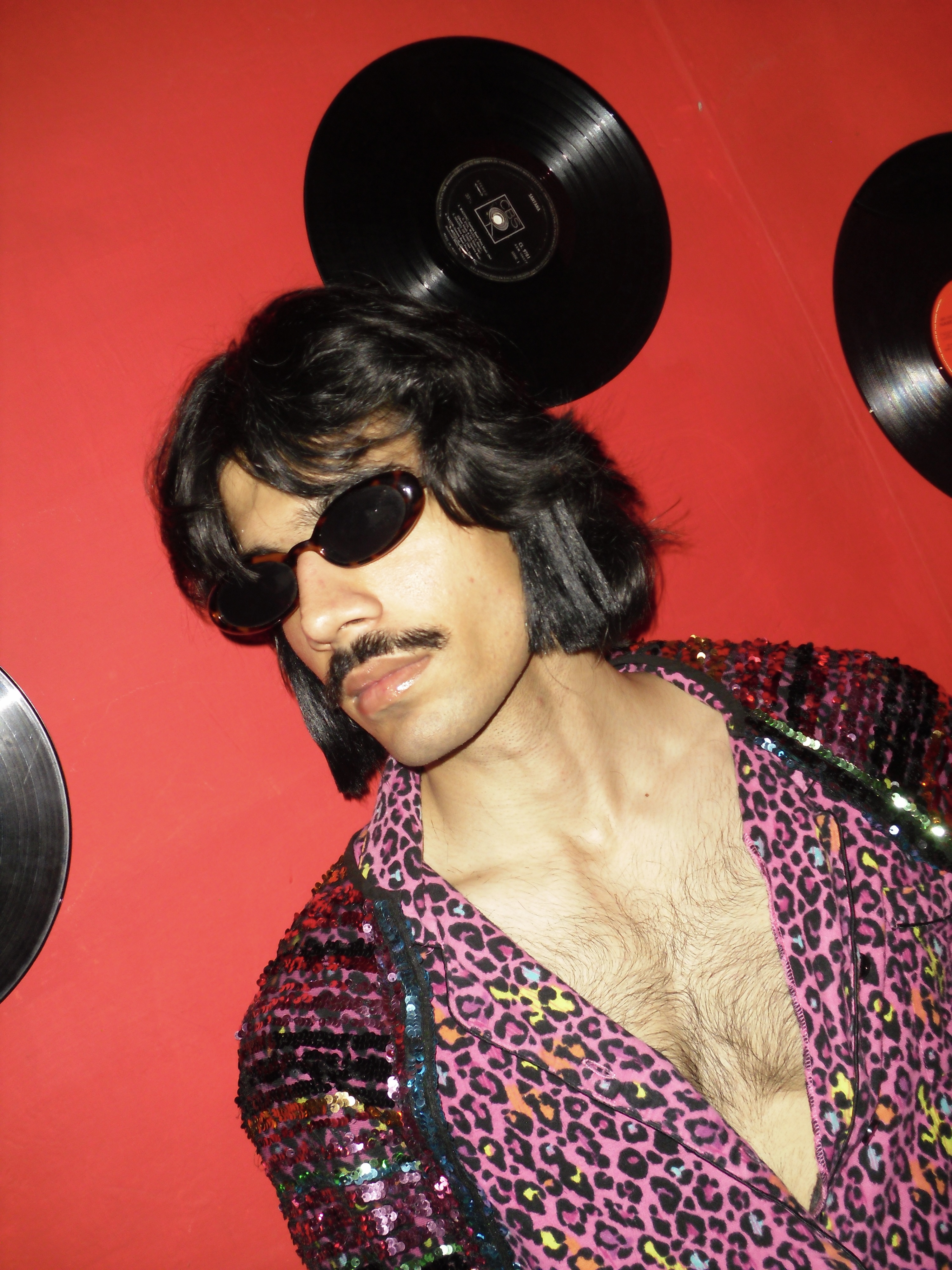
After EPIC, I walked out of the theatre with the usual post-Elvis feeling — that specific combination of inspiration and restlessness. And I made a decision. I was going to recreate the sideburns. Not for a shoot. Not for content. Just for myself. Just to see what it felt like to inhabit a fragment of that look.
I found a ponytail wig online for less than five dollars. It arrived in a small plastic bag, utterly undignified. I cut it up, shaped the pieces, fixed them into place. It was not glamorous. It was the opposite of glamorous. It was a man in his room with craft scissors and a mirror at midnight.
But when I looked up? Something clicked. Not because I looked like Elvis — I didn't, and that was never the point. But because I understood, in the way you can only understand something by doing it, why those sideburns mattered. They frame the face differently. They change the jaw line. They add weight and intention to the whole silhouette. They make you look like you meant it.
The Look

Under $5 wig. Zero regrets.

You don't need a budget to understand a legend
What He Left Behind
Elvis died at 42. The world had barely processed what he was while he was alive — it certainly didn't process what it lost when he was gone. But the look survived. The sideburns survived. The collar survived. The whole visual language he invented is still being borrowed, referenced, approximated — by people who may not even know where it comes from.
That is the mark of a genuine original. When the source disappears but the style keeps living, keeps mutating, keeps showing up in unexpected places decades later — that is not influence. That is legacy.
I bought a wig for ₹200. I stood in front of a mirror. And for a moment, I understood something about identity and intention and the power of a deliberate look that no amount of reading about Elvis could have taught me.
The King knew something. The sideburns were just the beginning.