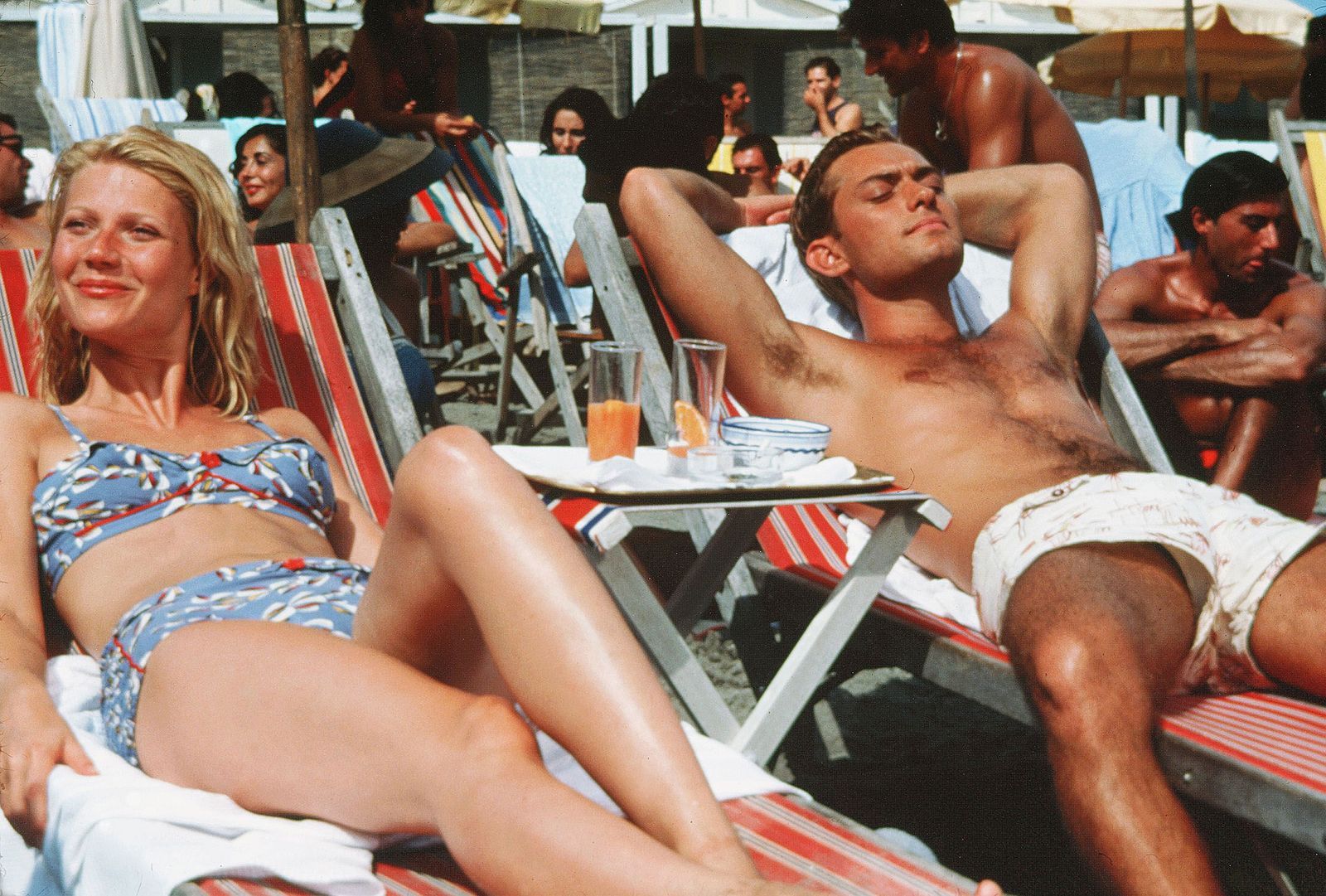
The best fashion education I ever got didn't come from a magazine or a runway. It came from sitting in the dark watching someone move through a scene in the right coat, the right colour, the right cut — and feeling it before I could name it. These are the ten films that live in my wardrobe whether I want them to or not.
Each one taught me something specific. Together they amount to a philosophy. Not about trends. About how clothes think, how they speak, what they reveal before a single word of dialogue lands.
Goodfellas
1990The language of ascent
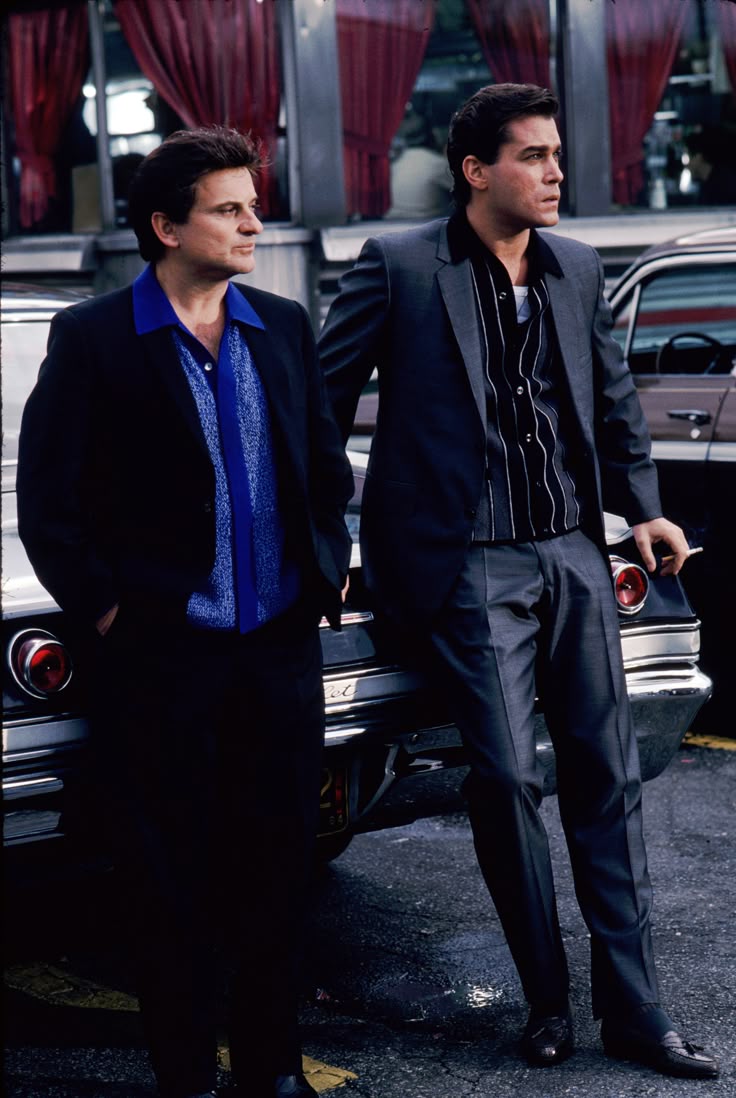
Henry Hill — dressed to the score, every single time
The genius of the Goodfellas wardrobe is that it moves. Henry Hill starts out in street clothes, eager and hungry, and ends up in silk shirts and pinstripes — and every single costume change tells you exactly where he is in the hierarchy without the script having to say a word. You know who has power and who is still earning it just by looking at the cloth.
What I took from it: clothes are a status report. The sharp-shouldered suits, the open-collar shirts with the heavy gold chain just visible, the loafers — all of it reads as a man constructing an identity around an idea of arrival. The polyester excess of the 70s scenes shouldn't work and somehow it does, because the confidence behind it is real. They dressed like they had won before the hand was even dealt. That swagger — that specific, un-ironic certainty about your own place in the room — is something no tailor can add. But the tailoring helps.
The Talented Mr. Ripley
1999Clothes as transformation
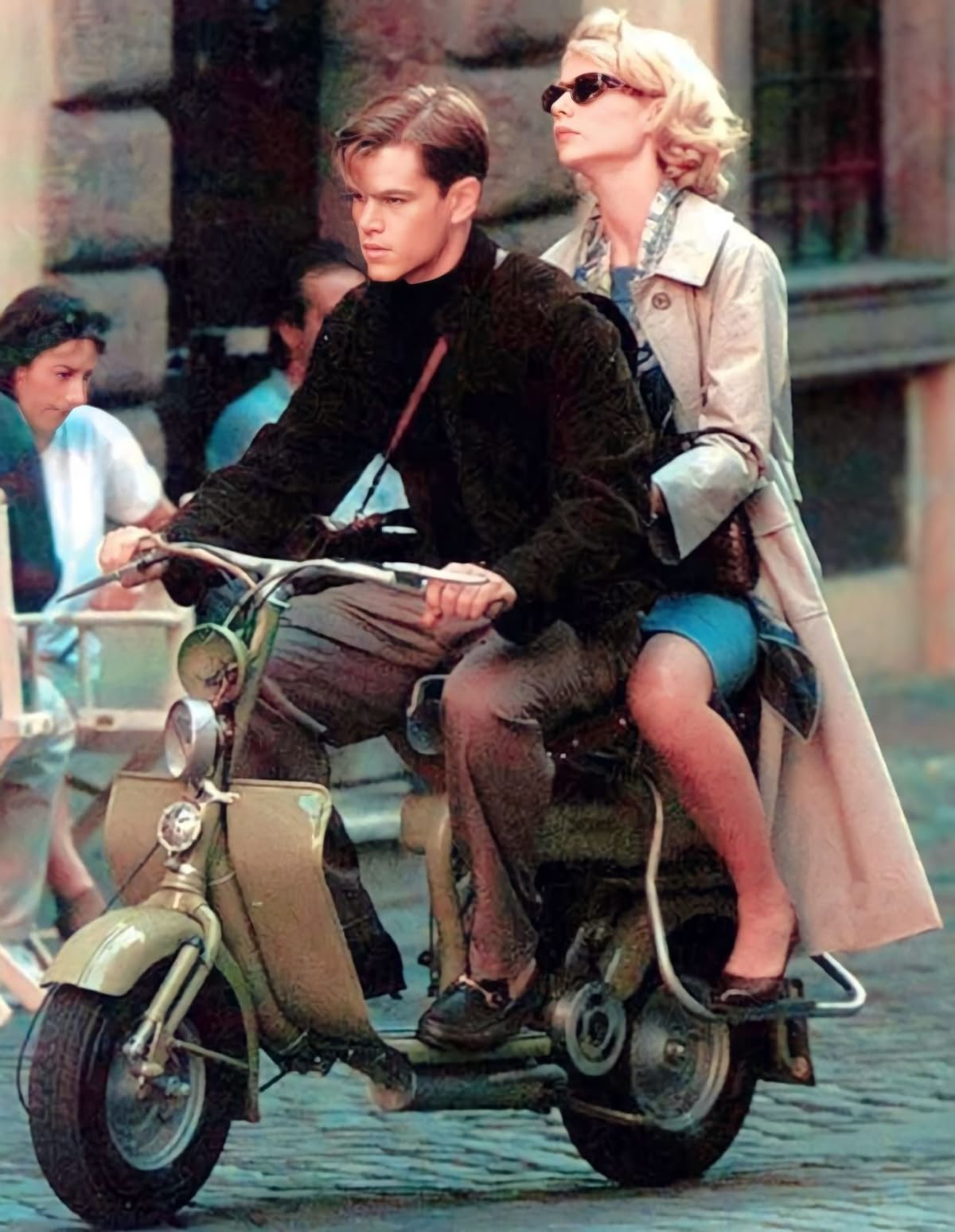
Tom Ripley, borrowing an identity one linen shirt at a time
This film is essentially a two-hour argument that clothes can make you someone else — and that someone else might be more real than who you started as. Tom Ripley arrives in Italy with nothing and leaves wearing a dead man's wardrobe, and the tragedy is that he wore it better.
The 1950s Italian Riviera setting does a lot of heavy lifting — the open-collar linen shirts, the boat shoes, the light summer suits in cream and pale blue, the oversized sunglasses that were already becoming an icon. But what stays with me is the contrast between Dickie Greenleaf's inherited ease and Ripley's studied mimicry. Dickie wears his clothes like he was born in them. Ripley wears his like he's reading them. And there is a specific kind of beauty in someone who cares that much about getting it right. The obsession is legible. It's almost sympathetic. Almost.
Breakfast at Tiffany's
1961The invention of a self
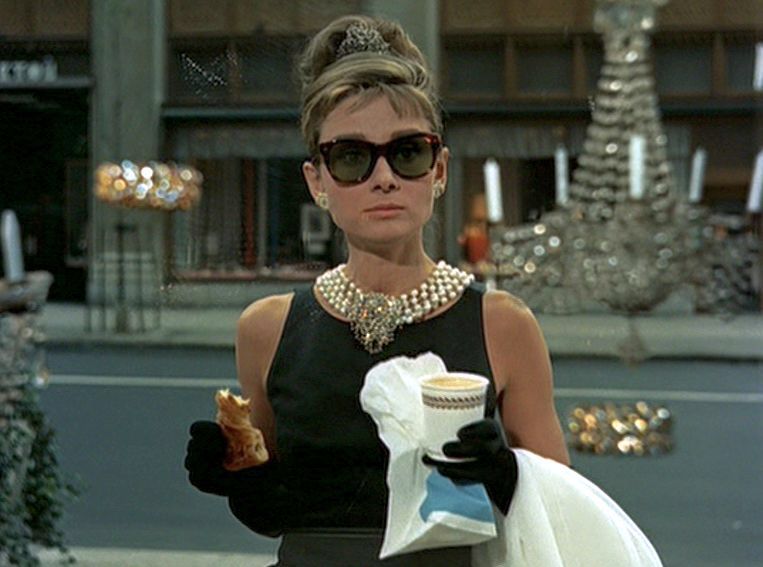
Holly Golightly — the little black dress as armour and ambition
There is a reason that Givenchy gown is still being referenced sixty years later. It is not just a dress. It is a declaration. Holly Golightly wearing it is a woman who has decided, very deliberately, who she is going to be — and then dressed accordingly. The clothes come before the life has been figured out. The clothes are how the life gets figured out.
The sleep mask. The cigarette holder. The oversized sunglasses used as both shield and statement. Every piece is doing double work — it's costume and armour at the same time. What I love most about this wardrobe is that it's not inherited style. It's constructed style. Holly built it from scratch, which is the only kind worth admiring.
Scarface
1983The excess as argument
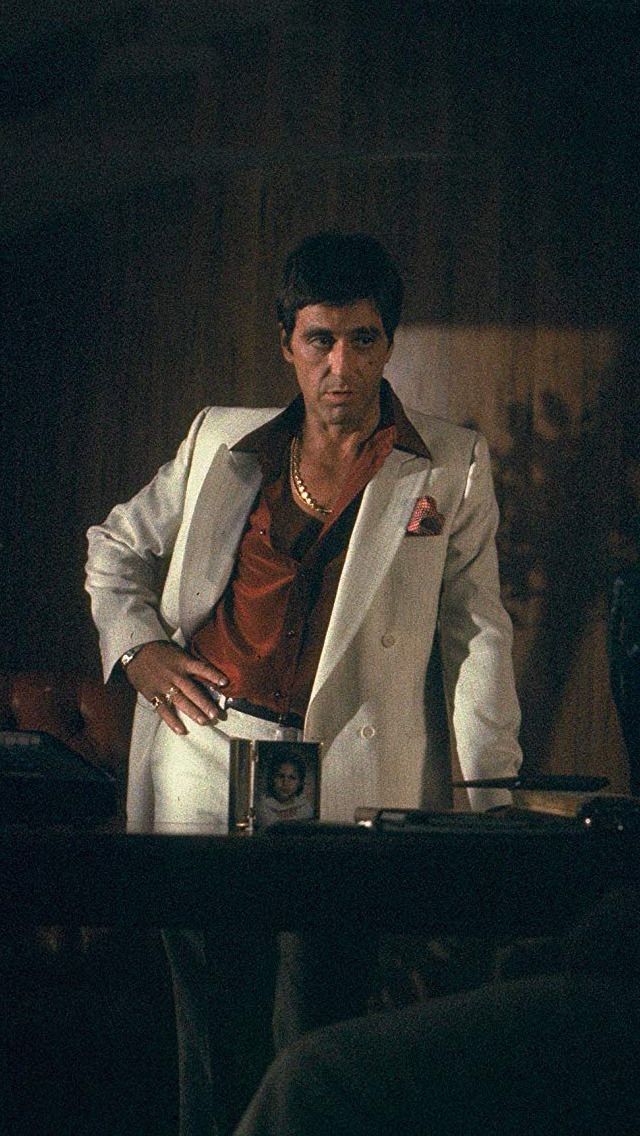
Tony Montana — dressed for the version of America he intended to have
The white suit. The fur coat. The gold everything. The wardrobe of Scarface should be absurd. On paper it is absurd. On screen, worn by someone who believes in it completely, it becomes something else entirely — a manifesto. Tony Montana dressed like someone who had never had anything and was never going to pretend he didn't have it now.
There is something I genuinely respect about that. The refusal to understate. The decision to announce. Fashion has always had a complicated relationship with excess — it celebrates it on the runway and looks down on it on the street. Montana didn't ask for permission. He just wore the thing. The whole point of his wardrobe is that it could not be ignored, which was precisely the point of everything else he did too. The clothes were honest. They said exactly what he meant.
Le Samouraï
1967The minimum as maximum
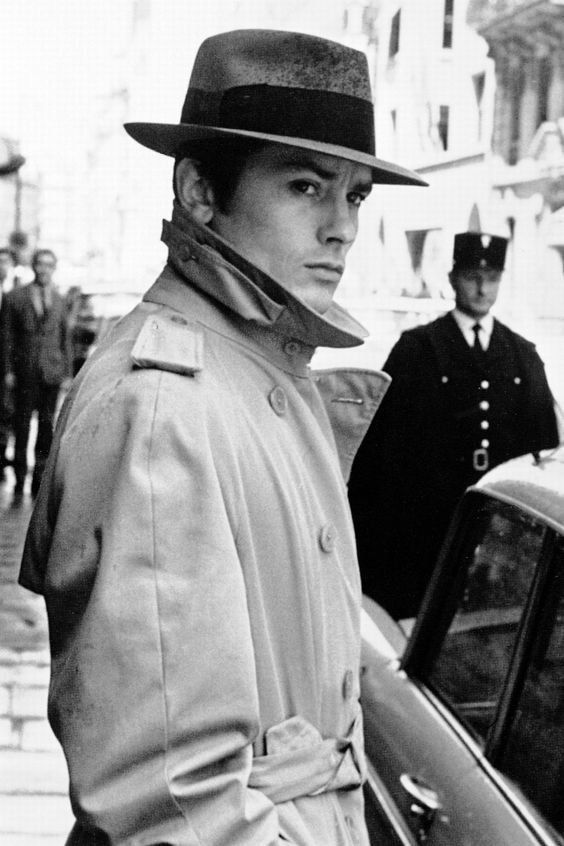
Alain Delon — grey coat, grey gloves, every scene, no explanation
This is the most copied look in cinema history and the least understood. The grey trench coat. The felt hat tilted just so. The grey gloves pulled on in silence in front of a mirror. Alain Delon in Le Samouraï is the most elegant argument ever made for doing less — for the idea that when the silhouette is right, nothing else is needed.
He wears essentially the same outfit through the entire film. That is the point. Repetition as statement. The coat does not change because the man does not change. He is what he is — fully, completely, without variation — and the clothes confirm it every time he enters a frame. I think about this film every time I'm tempted to add something unnecessary. Le Samouraï is a two-hour lesson in the power of the edit. The most sophisticated thing in a room is always the thing that needed nothing added to it.
Casino
1995The architecture of excess
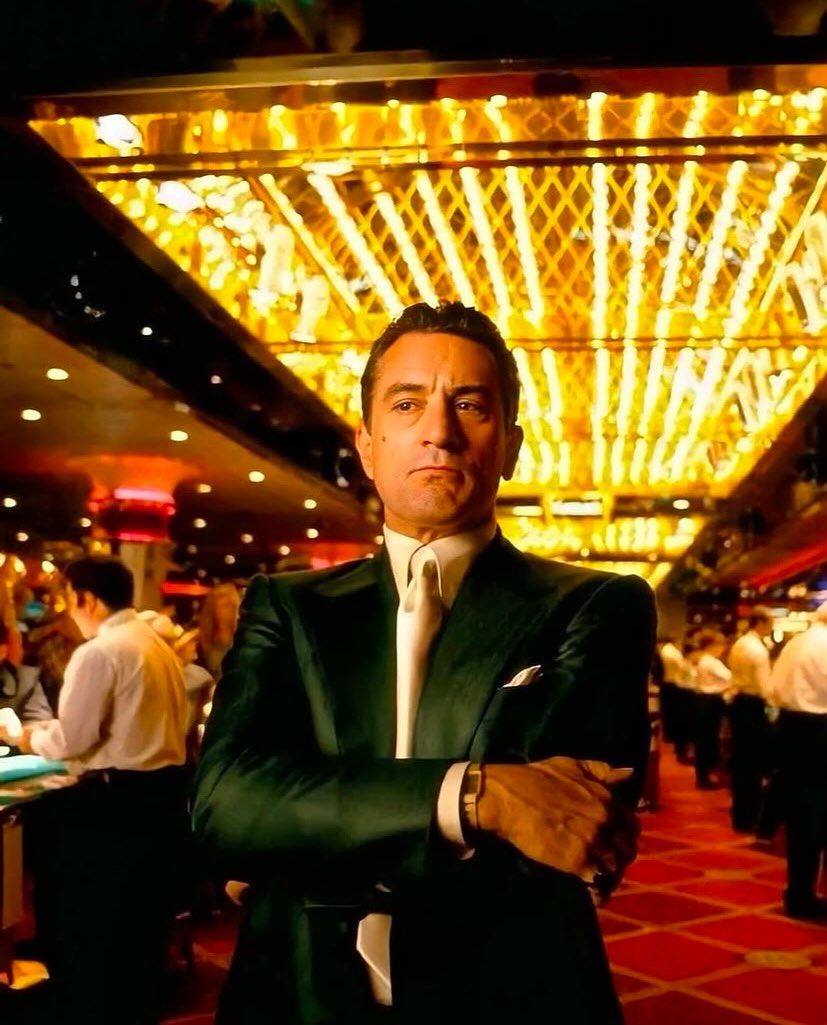
Sam Rothstein — seventy costume changes, zero accidents
Robert De Niro wore over seventy different outfits in Casino, and every single one was chosen with the kind of precision that most people apply to far more important things. The production designer has said that Rothstein's suits were colour-coordinated to his ties, his shirts, and sometimes the décor of the room he was walking into. That level of intentionality is almost frightening — and I mean that as a compliment.
The 1970s Vegas power suit — the wide lapels, the loud patterns, the custom Brioni tailoring on a frame that carries it perfectly — is not subtle fashion. It is architecture. These are clothes that are building something: a persona, a territory, a claim. Rothstein dresses like every room he enters is his room before he gets there. The wardrobe arrives first and announces him. That is the aspiration.
American Gigolo
1980The film that changed men's fashion
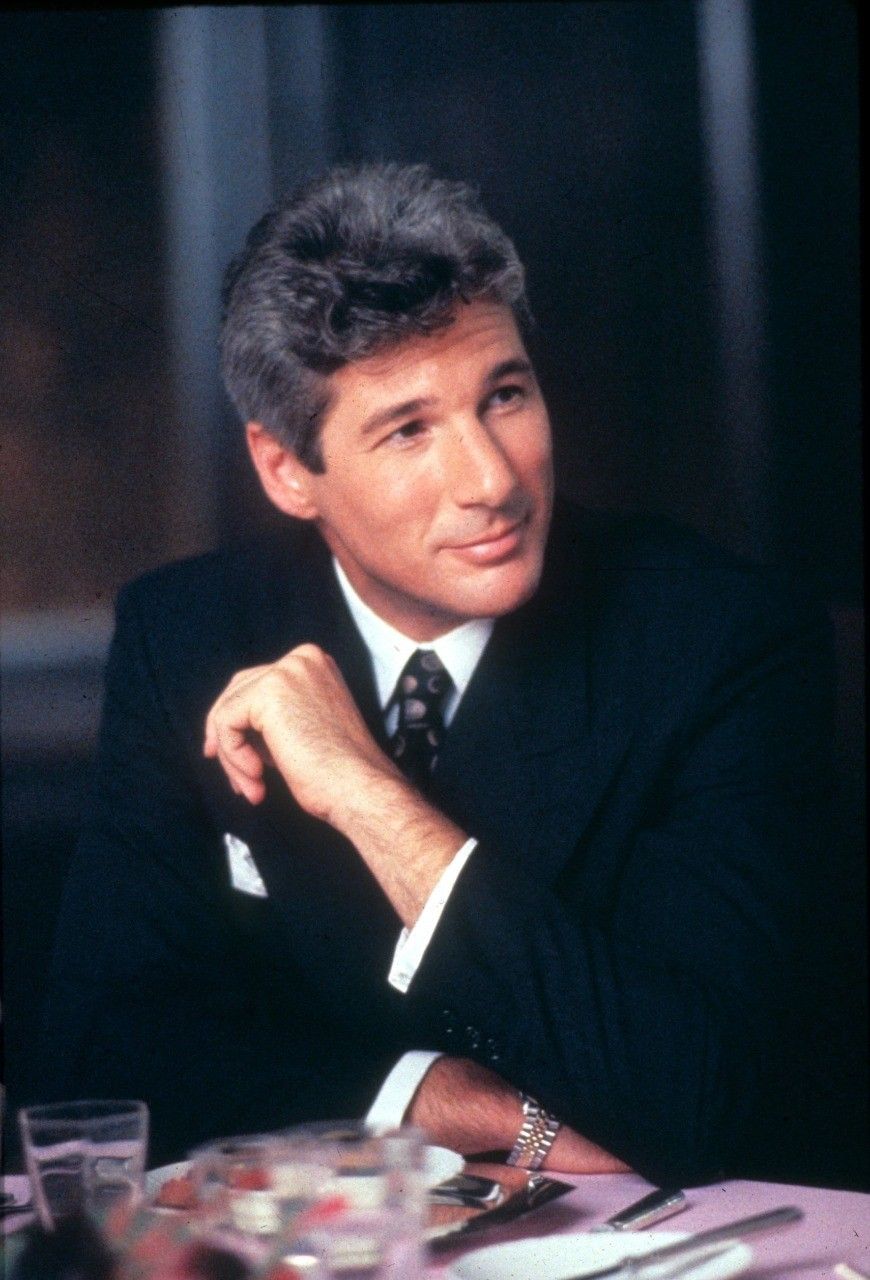
Richard Gere — Armani, before anyone knew what Armani meant
Before American Gigolo, men in Hollywood films wore costumes. After it, they wore clothes. This is not an exaggeration. Giorgio Armani dressed Richard Gere in the deconstructed suit — no lining, soft shoulder, fabric that moved instead of holding a shape — and it rewrote the language of menswear for a decade. The film is essentially a feature-length Armani campaign, and I mean that as the highest possible praise.
What makes it work beyond the clothes is Gere's relationship with them. Julian Kay dresses slowly, deliberately, the way someone practices an instrument. The famous opening scene — choosing and rejecting outfit after outfit with absolute seriousness — is the most honest depiction of a man who cares about clothes that I've ever seen on screen. He is not vain. He is precise. There is a difference and this film understands it completely.
American Psycho
2000The horror of caring exactly right
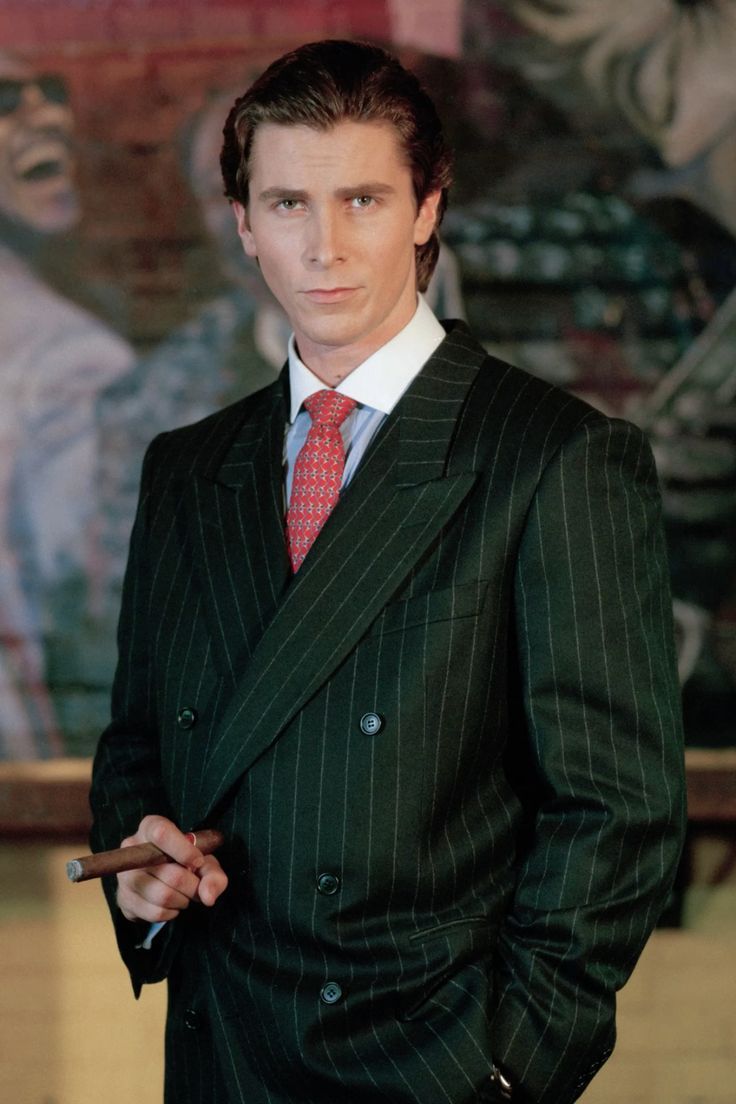
Patrick Bateman — impeccable, unhinged, and completely correct about collar stays
The business card scene is the greatest fashion scene ever filmed. Four men comparing rectangles of embossed card stock with the intensity of people whose lives depend on it — and the horror is that Bateman is right. The Valentino suit is better. The bone colouring is superior. The tasteful thickness of it is objectively remarkable. The film is a satire, but the satire only works because the fashion knowledge underneath it is real.
What American Psycho captures — and what stays with me — is that obsessive precision about clothing is both completely understandable and completely insane, and the distance between those two things is narrower than most people want to admit. Bateman's morning routine, his knowledge of labels, his attention to the exact geometry of a pocket square — these are not symptoms of psychopathy. They are the symptoms of someone who has taken a normal impulse and followed it all the way to its logical end. The film asks: at what point does caring become too much? And the honest answer is: further than you think.
The Dressmaker
2015The dress as weapon
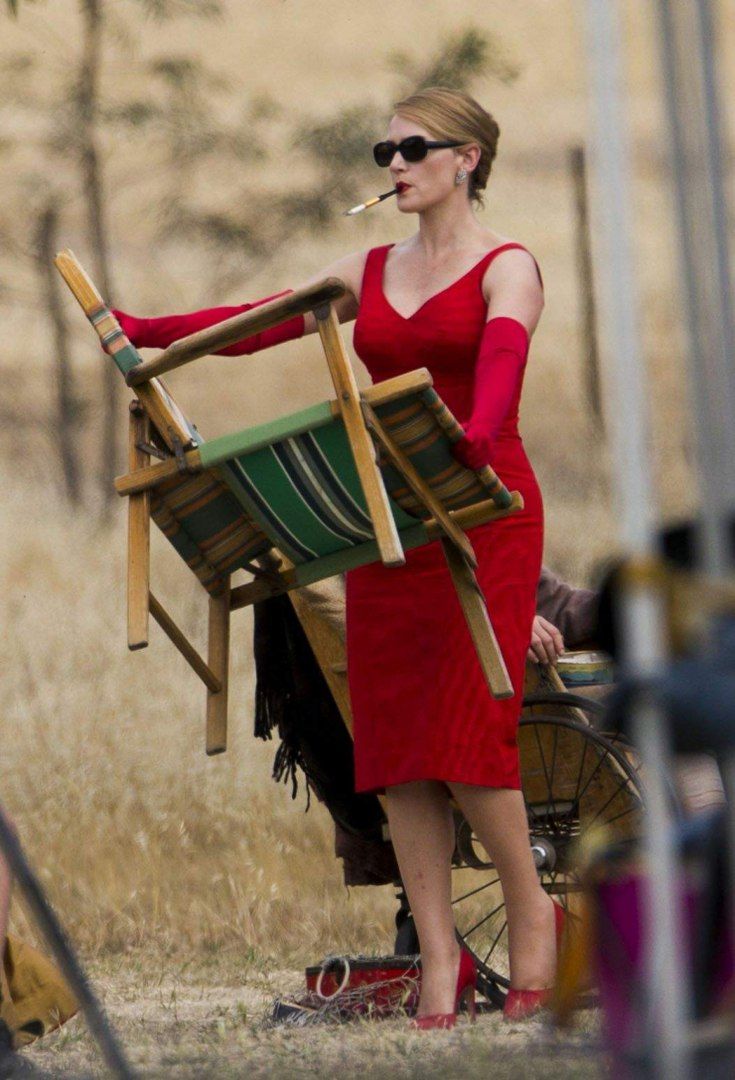
Myrtle Dunnage — haute couture arriving in a town that didn't deserve it
This one sits differently from the others. The Dressmaker is about what a perfectly made garment can do to a person — how it can remake them, restore them, make visible something they had been taught to keep hidden. Kate Winslet returns to her small Australian town with a Singer sewing machine and a knowledge of Parisian technique, and the effect is genuinely revolutionary. The women she dresses become, for the first time, seen.
The film understands something that fashion rarely says directly: a great dress is not decoration. It is an argument. It argues for the person inside it. It says — this woman has a shape, a presence, a right to take up space. The dressmaker doesn't just make clothes. She makes people legible. I find that idea almost unbearably moving, and the wardrobe in this film earns every frame it's in.
Paris, Texas
1984The anti-fashion that knows everything about fashion
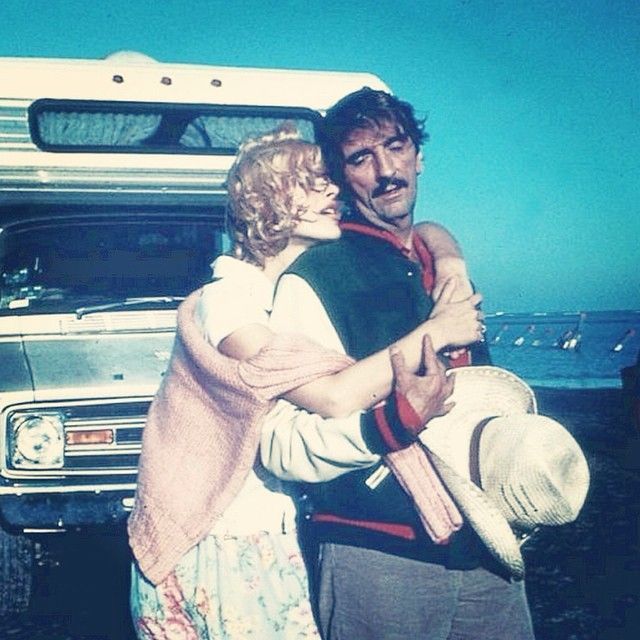
Travis Henderson — the red cap, the dust, the long way back
This is the outlier on the list, and deliberately so. Travis Henderson walks out of the Texan desert in a dusty red baseball cap and a suit that has been slept in for what looks like years, and there is more style in that image than in most deliberate fashion moments I can name. Not because the clothes are good. Because they are completely, devastatingly honest.
Paris, Texas taught me that clothes carry memory. They hold the shape of where you've been and what happened there. Travis's clothes tell his whole story before he says a word — the abandonment, the years of being lost, the slow return. There is a version of style that is not about aspiration at all. It is about authenticity, about wearing your actual life instead of the life you want people to think you have. The red cap is not a choice. It's a fact. And facts, worn honestly, are always more powerful than anything deliberate.
These ten films are not a definitive list. They are a personal one — which is the only kind worth making. What they share is a specific seriousness about clothes as communication. Not costume. Not decoration. Communication. In every one of them, what the characters wear tells you something the dialogue doesn't — something more true, more compressed, more lasting.
That is what good dressing does in real life too. It speaks before you do. The question is what you want it to say.
The screen got there first. The rest of us are still catching up.